Stemcell Articles

The Science Behind Black Holes and Gravitational Waves
What is a Black Hole? A black hole is a region of space where gravity is so strong that nothing—not even light—can escape its pull. They form when massive stars... Read more...
What Causes Solar Flares and How They Affect Earth
What Causes Solar Flares and How They Affect Earth What is a Solar Flare? A solar flare is a sudden burst of intense energy from the Sun’s surface, caused by... Read more...
What Exactly is Dirt?
Dirt is everywhere — under your feet, in your garden, and at the foundation of nearly every ecosystem on Earth. But what exactly is it? Read more...
What is Schrödinger’s Cat?
Popular media often misconstrues the famous thought experiment as an illustration of an inherent property of quantum mechanics, but in reality, Erwin was kind of mocking it. Read more...
The Science of Sinkholes: When the Ground Suddenly Gives Way
One moment you're walking across a field or driving on a road—and the next, the earth beneath your feet collapses into a giant hole. It sounds like something from a disaster movie, but sinkholes are a real and fascinating geological phenomenon that occur all around the world. So what exactly causes the ground to vanish beneath us? Let’s explore the science behind sinkholes, how they form, where they happen, and why they matter. What Is a Sinkhole? A sinkhole is a depression or hole in the ground caused by the... Read more...
Why Do Some Animals Glow? The Science Behind Nature’s Night Lights
Have you ever seen a firefly lighting up a summer evening or heard about glowing creatures deep in the ocean? The mysterious glow of animals has fascinated people for centuries. This natural glow is called bioluminescence — a magical-sounding word that means “living light.” But why do some animals glow, and how do they do it? Let’s dive into the glowing world of bioluminescence! What Is Bioluminescence? Bioluminescence is the ability of living creatures to produce and emit light. Unlike the light from a flashlight or a bulb, this glow is... Read more...
Meteorites vs. Asteroids vs. Comets: What’s the Difference?
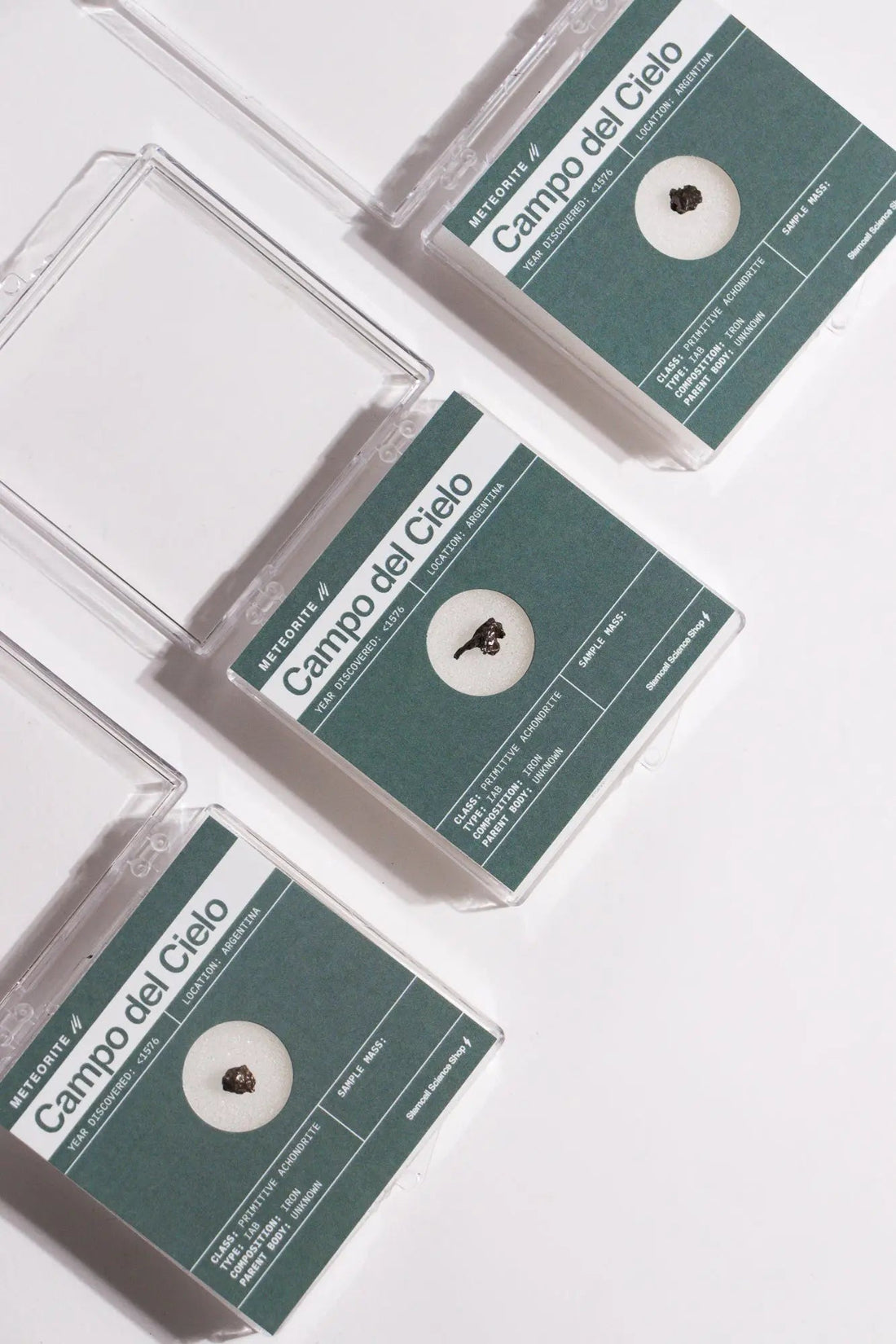
Space is full of fascinating objects that zip, drift, and collide through the cosmos—but telling them apart can get tricky. You’ve likely heard the terms meteorite, asteroid, and comet used... Read more...
The James Webb Telescope: What It’s Telling Us So Far
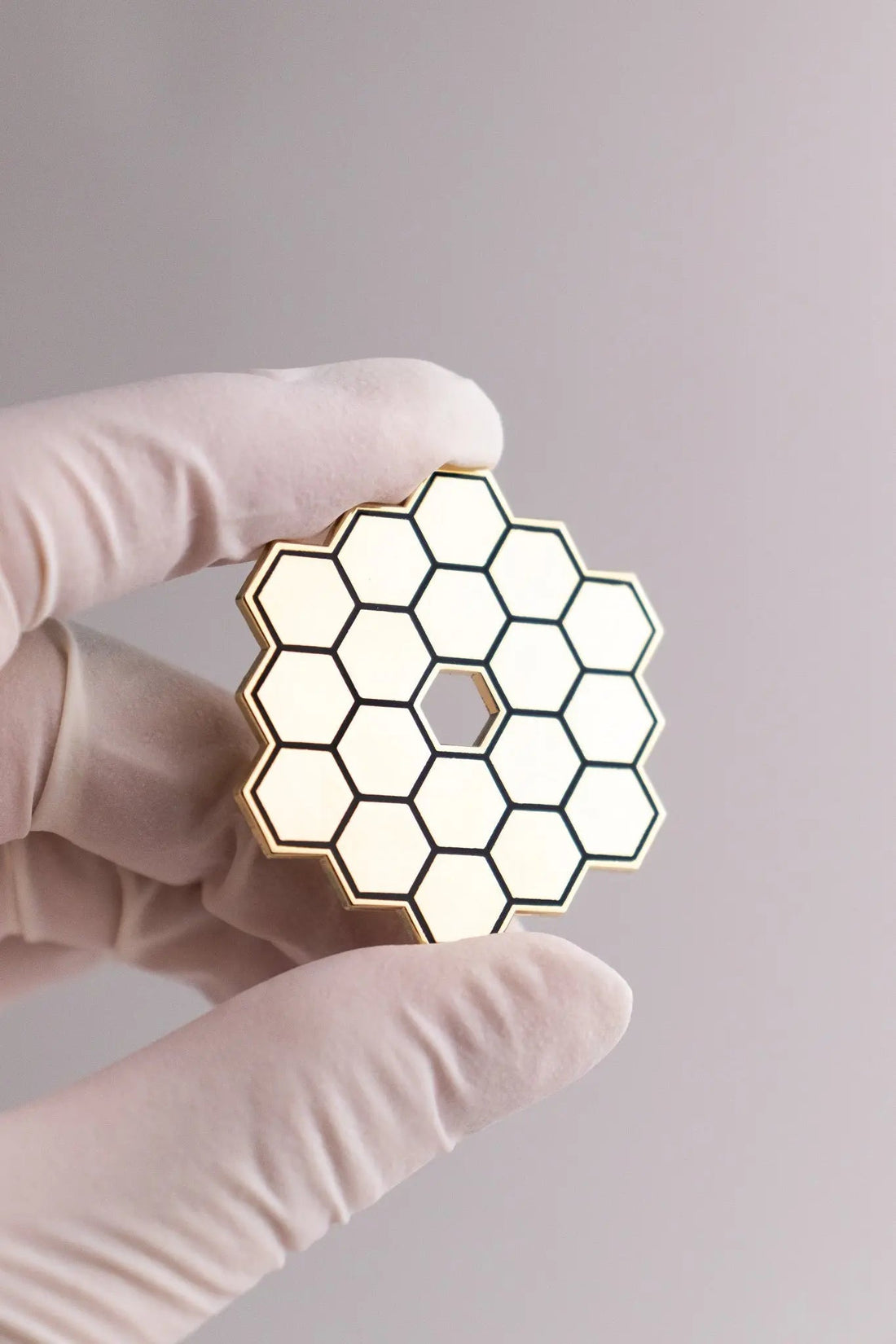
When the James Webb Space Telescope (JWST) launched on December 25, 2021, it carried the hopes of scientists and stargazers alike. Designed to look deeper into the cosmos than ever... Read more...
Science Summer of Fun Series: Adventure Awaits
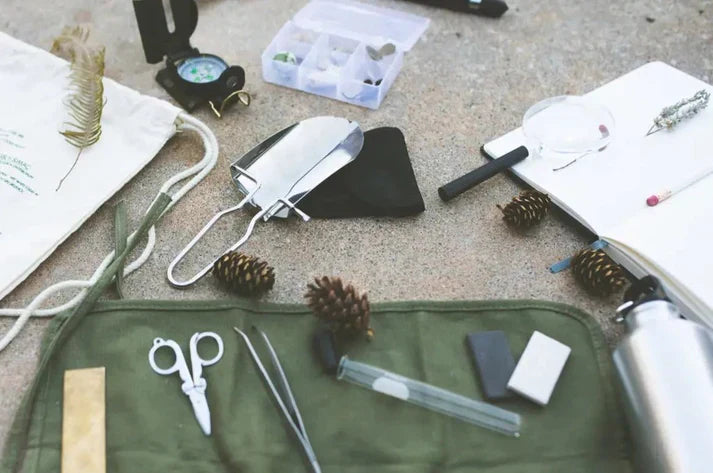
Hands-On Exploration Starts Here: The Adventure Kit Whether you’re venturing deep into the forest, poking around tide pools, or just exploring the wonders of your backyard, the Adventure Kit is your... Read more...
Science Summer of Fun Series: Exploring Light with a Beam Splitter
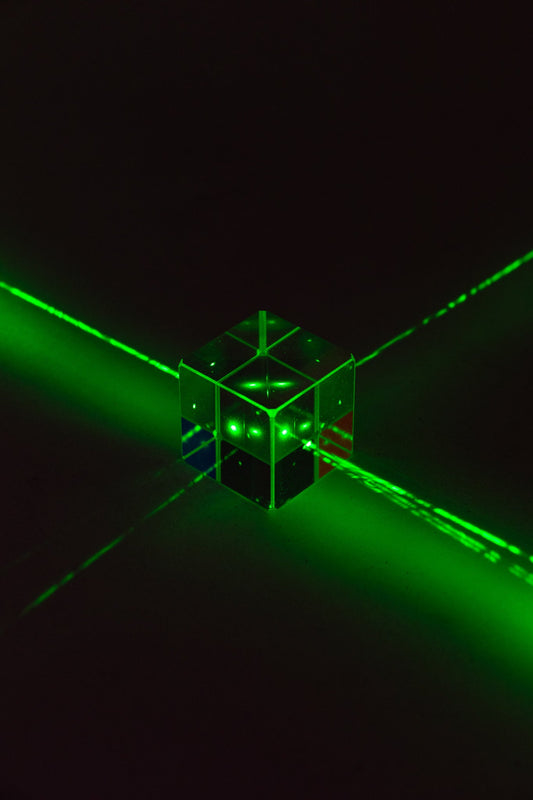
Ever wondered how scientists manipulate light in the lab? Or just love cool, hands-on science experiments? Then you're going to be amazed by what a beam splitter can do. While... Read more...
DIY: How to Polish Amber
DIY: How to Polish Amber Amber is a beautiful gemstone that has been prized for centuries for its unique appearance and healing properties. If you have a piece of raw or unpolished amber, you may be wondering how to bring out its natural beauty and shine. In this article, we will guide you through the process of polishing amber at home, so you can enjoy its radiant glow. What You Will Need: Raw or unpolished amber piece Soft cloth Microfiber cloth Warm, soapy water Amber polishing compound Soft toothbrush Step-by-Step... Read more...
How To Tell A Fossil from a Rock
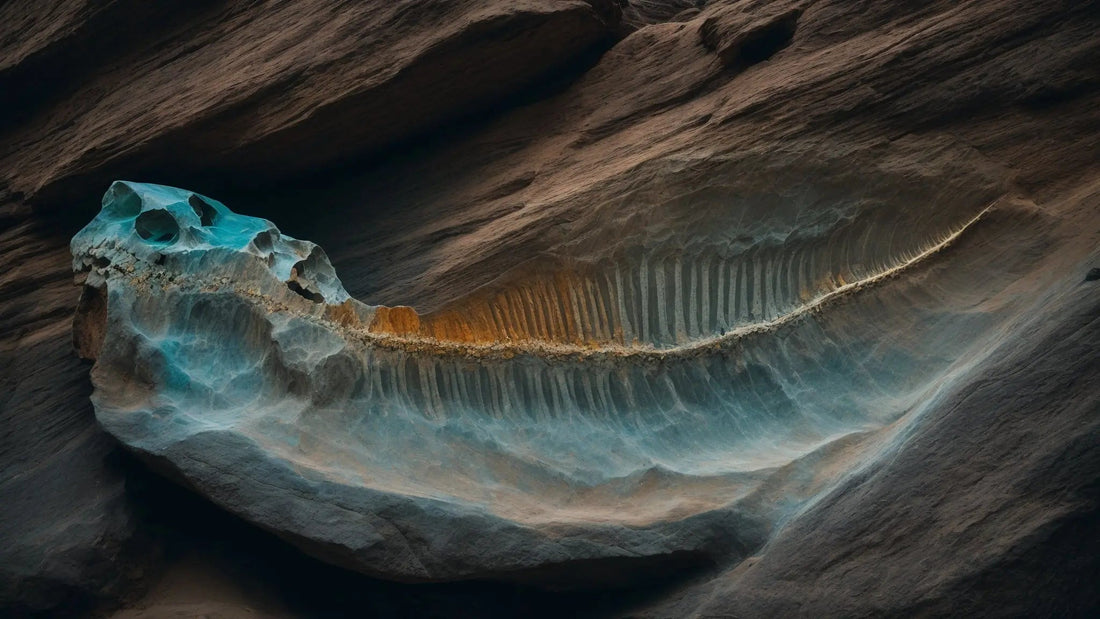
When exploring the great outdoors, you may stumble upon interesting rock formations that could potentially be fossils. But how can you tell if it's a fossil or just an ordinary... Read more...
How Many Tesla Model 3’s Would It Take To Fill the Grand Canyon
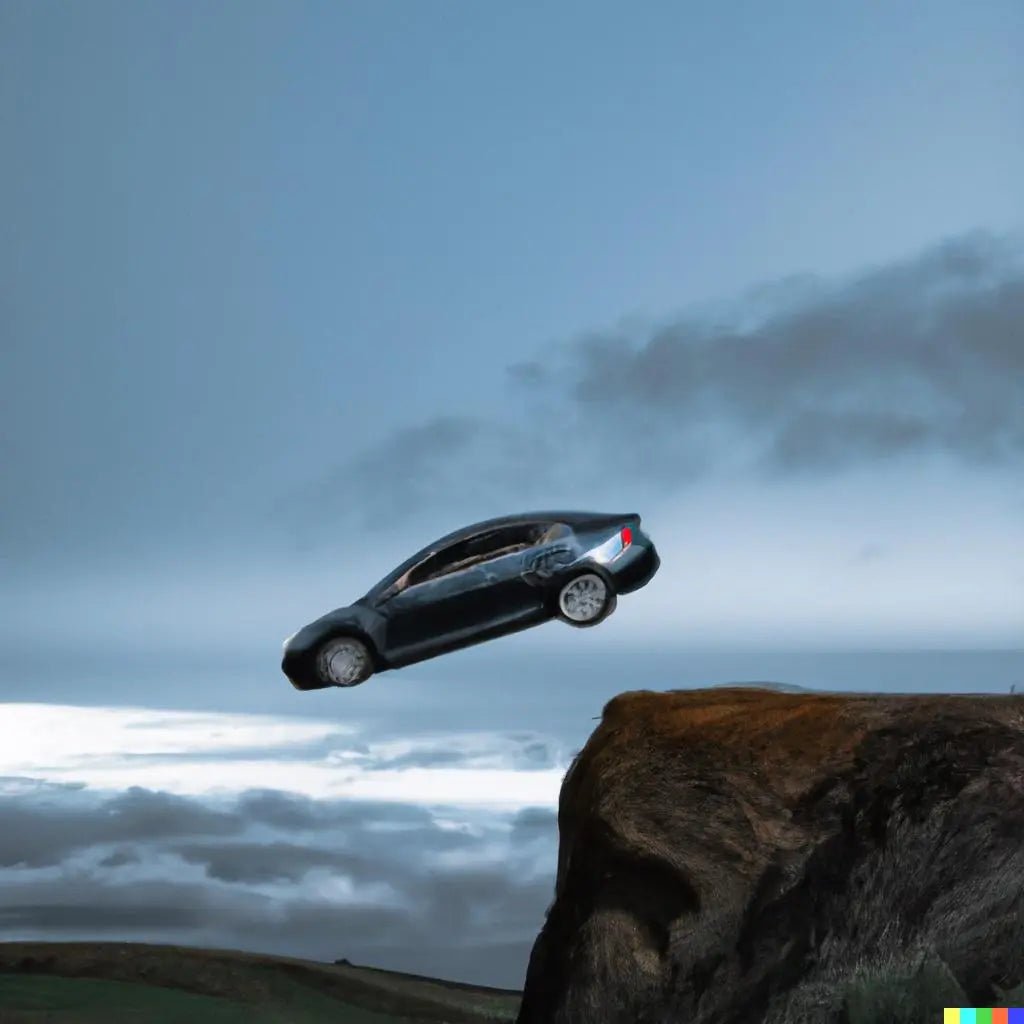
Have you ever wondered how many Tesla Model 3's it would take to fill the Grand Canyon? Probably not, but let's play along and find out. By considering the total... Read more...
Antibacterial vs Antiseptic vs Disinfectant
Antibacterial, antiseptic, and disinfectant are all terms used to describe agents that can kill or inhibit the growth of microorganisms, such as bacteria and viruses. The main difference between the three is the type of microorganisms they are intended to target and the setting in which they are used. Antibacterial agents are specifically designed to target and kill bacteria. They are commonly used in soaps, lotions, and other personal care products. Antiseptics are similar to antibacterials, but are intended for use on living tissue. They are often used in medical... Read more...
New Record: Pi Now Known to 62 Trillion Digits
They accomplished this while testing a new supercomputer Read more...
If a Stealth Plane Crashes in the Desert, Does Anyone Notice?
One of the fastest vehicles ever created crashed in the West Texas desert, leaving behind a two-story-deep crater. Read more...